Choosing a summer camp for school-age children is an important decision for many families.
For parents, the question is not only, “Will my child have fun?” It is also, “Will they be safe? Will they stay engaged? Will they make friends? Will the activities be meaningful? Will this camp help them grow instead of just keeping them busy?”
Those questions are completely valid.
School-age children need more than a place to spend the day during summer break. They need a camp environment that gives them room to be active, creative, social and independent. They are old enough to want exciting experiences, but they still benefit from structure, guidance and a safe place where they can explore new interests.
The best summer camp for schoolers should feel fun, dynamic and memorable, while also giving children opportunities to build confidence, practice teamwork, solve problems and express themselves.
At MyPlace Early Learning Center, summer is designed with that balance in mind. Through the Creativity Factory Summer Camp, schoolers are invited to explore art, music, movement, STEAM activities, storytelling, cooking projects, splash days, field trips, Spanish, Sign Language and collaborative projects in a safe and creative environment.
A Summer Camp for Schoolers Is Different from Regular Childcare
Summer camp for schoolers should not feel like regular childcare.
School-age children are curious, energetic and ready for more variety. They want to try new things, explore new places, build projects, work with friends, move their bodies and feel like they are part of something exciting.
That is why parents should look for a camp that goes beyond basic supervision.
A strong summer camp for schoolers should include:
-
Engaging weekly themes.
-
Hands-on projects.
-
Creative activities.
-
Outdoor play.
-
Field trips.
-
Group challenges.
-
Music, Movement, and sports.
-
Opportunities for independence.
-
Time to build friendships.
-
A routine that keeps the day organized.
The goal is not to over-schedule children or make summer feel like school. The goal is to create a summer experience where children have fun while continuing to grow socially, creatively and emotionally.
A good summer camp gives schoolers enough freedom to enjoy summer, but enough structure to feel safe and supported.
Why School-Age Children Need a Balance of Fun, Structure and Independence
Summer should feel special.
Children should have the chance to laugh, move, create, explore and make memories. But even during summer, school-age children benefit from structure.
A predictable rhythm helps children know what to expect. It makes transitions easier, supports positive behavior and helps the day feel organized. At the same time, schoolers also need opportunities to make choices, try new activities and take on age-appropriate responsibility.
That balance matters.
Too much structure can make summer feel rigid.Too little structure can make the day feel chaotic.The right camp finds the middle ground.
For schoolers, this may look like themed weeks, planned activities, creative labs, group projects, outdoor time, special events and field trips, all within a supervised environment.
At MyPlace Summer Camp “The Creativity Factory”, the weekly themes help create that sense of variety and structure. Children move through different creative experiences such as Art Lab, Music & Rhythm Studio, Drama & Performance, Dance & Movement, Maker Week, Fashion & Design, Film & Photography, Creative Writing & Comics, Collaboration Creations and Creativity Showcase.
This keeps summer fresh while giving children something new to look forward to each week.
What Age-Appropriate Summer Camp Activities Should Look Like for Schoolers
When evaluating a summer camp for school-age children, parents should look closely at the activities being offered.
For schoolers, activities should be engaging enough to hold their attention, but still appropriate for their age and development. They should encourage creativity, movement, problem-solving and social interaction.
Age-appropriate summer camp activities for schoolers may include:
-
Art projects that allow children to explore creativity and self-expression.
-
STEAM activities that encourage building, testing and problem-solving.
-
Music and movement activities that support confidence and participation.
-
Drama and performance games that help children communicate and express themselves.
-
Cooking projects that build independence and responsibility.
-
Outdoor play and splash days that keep children active.
-
Field trips that make summer memorable and exciting.
-
Group projects that teach teamwork, patience and collaboration.
-
Storytelling, comics, photography and film projects that support imagination and communication.
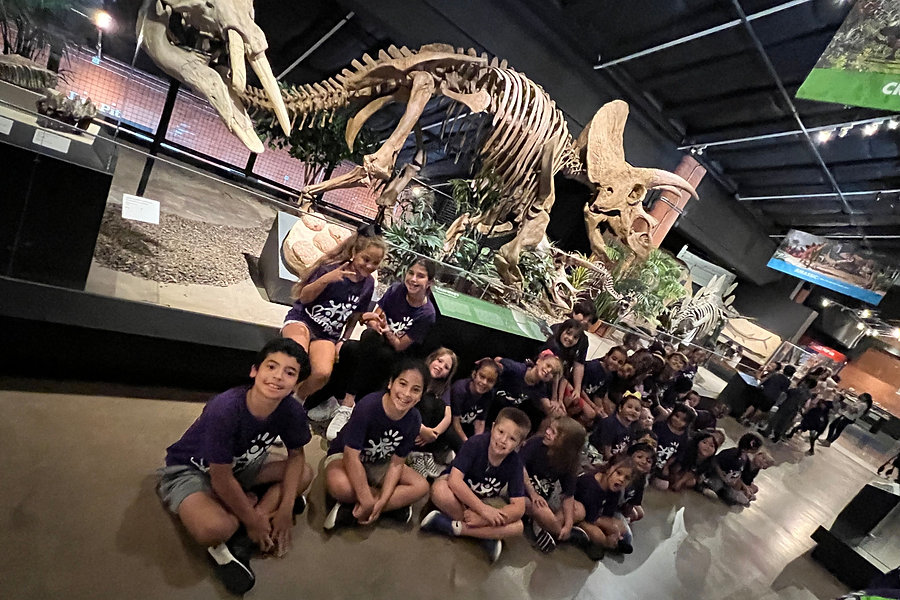
In MPK’s Summer Camp program, activities such as canvas painting, color mixing, music and movement, drama games, puppet skits, cardboard creations, marble runs, DIY toys, cooking projects, creative journals, storytelling, splash days, sports/gymnastics, field trips and collaborative projects are part of the broader creative experience.
The key is variety.
Schoolers can quickly lose interest if every day feels the same. A strong summer camp should give them different ways to participate: creating, moving, building, performing, exploring, writing, designing and working with others.
Social Growth and Confidence
One of the biggest benefits of summer camp for schoolers is social growth.
During the school year, children often interact within familiar routines. Summer camp gives them a different environment where they can meet new friends, work with different groups and try activities they may not experience every day.
These moments help children build confidence.
-
When a child participates in a group art project, they are learning collaboration.
-
When they perform in a skit or showcase, they are practicing communication.
-
When they join a music or movement activity, they are learning confidence and participation.
-
When they help with a cooking project, they are practicing responsibility.
-
When they work through a building challenge, they are learning persistence.
-
When they go on a field trip, they are practicing independence in a supervised setting.
For school-age children, confidence often grows through trying new things and realizing they are capable.
A good summer camp gives children many small opportunities to feel proud of themselves. They may create something, help a friend, solve a problem, share an idea, complete a project or participate in a group presentation.
Those moments matter because they help children see themselves as capable, creative and connected.
Independence Without Losing Support
School-age children are in an important stage of growth.
They want more independence, but they still need guidance. They want to make choices, but they still need safe boundaries. They want to explore, but they still benefit from adults who can encourage, redirect and support them.
A well-designed summer camp gives children age-appropriate independence.
That may include:
-
Choosing between creative activities.
-
Taking responsibility for personal items on splash days.
-
Participating in team projects.
-
Helping with materials during cooking or maker activities.
-
Practicing leadership in group work.
-
Presenting a project or performance.
-
Navigating new experiences during field trips.
This kind of independence helps children build responsibility and confidence in a natural way.
Summer camp should not feel like pressure. It should feel like opportunity.
When children are given the chance to try, contribute and make choices in a supportive environment, they begin to develop important life skills.
Questions Parents Should Ask Before Enrolling in a Summer Camp for Schoolers
Before choosing a summer camp, parents should feel comfortable asking practical questions.
A trustworthy program should be able to explain what children will do, how the day is structured and how safety is handled.
Here is a simple checklist parents can use:
Summer Camp for Schoolers Checklist for Parents
Question
Why It Matters
What ages does the camp serve?
School-age children need activities that match their energy, interests and level of independence.
What does a typical camp day look like?
A clear routine helps children feel comfortable and helps parents understand the experience.
Are there weekly themes?
Themes keep summer fresh and give children something new to explore each week.
What types of activities are included?
A strong camp should include creativity, movement, outdoor play, group projects and enrichment.
Are field trips included?
Field trips can make summer more exciting and support real-world learning.
How are splash days and outdoor activities managed?
Safety, preparation and supervision are especially important during summer activities.
How does the program support social skills?
Camp should help children practice teamwork, communication and friendship-building.
Are there creative or STEAM-based activities?
Hands-on projects support problem-solving, curiosity and confidence.
Are there full-time or part-time options?
Flexible scheduling helps families choose what works best for their summer plans.
What should parents provide?
Items like sunscreen, insect repellent, extra clothes, towels or water shoes may be required.
How can families learn more or schedule a tour?
A visit helps parents understand the environment before enrolling.
This checklist helps parents look beyond price or location and evaluate whether a summer camp is truly a good fit for their child.
How MyPlace Supports Schoolers During Summer
My Place Early Learning Center’s Summer Camp is designed for families who want more than a place for their school-age child to spend the day.
The program brings together creativity, structure, movement, exploration and joyful learning through weekly themes and hands-on activities. Children have opportunities to paint, build, move, perform, imagine, cook, explore, collaborate and celebrate their work.
Parents can also feel reassured knowing that the program includes practical details such as limited spots, full-time and part-time options, splash day preparation, outdoor safety notes and flexible scheduling when arranged at enrollment.
For schoolers, this kind of environment matters. They are not just being entertained. They are being invited to create, explore, participate and grow.
Final Thoughts
Choosing a summer camp for schoolers is an important decision.
The right program should help your child feel safe, excited and engaged. It should offer fun activities, but also provide structure, creative opportunities, outdoor experiences, social growth and moments that build confidence.
For school-age children, summer can be more than a break from school. It can be a season of creativity, friendship, exploration and discovery.
At My Place Early Learning Center, Summer Camp is designed to give schoolers that kind of experience: a summer full of imagination, hands-on learning, joyful play, field trips, creative projects and caring support.
Looking for a summer camp for schoolers in Katy, TX?
Schedule a tour or ask about Summer Camp availability at My Place Early Learning Center. Limited spots are available, and our team would be happy to help you find the right summer option for your child.
Schedule a Tour